

Root Canal Treatment in Norcross, GA
Root canal treatment has developed a reputation that far outweighs the reality of the procedure. The phrase alone tends to make people tense, shaped more by old movie scenes and TV jokes than by real experience. For years, root canals have been portrayed as something to fear, and that image has lingered, even as dentistry has continued to evolve.
What is often overlooked is the source of the pain. The discomfort people associate with root canals usually begins before treatment is ever mentioned. An infected tooth can cause pressure, sensitivity, or persistent aching. Root canal treatment addresses that source of discomfort by removing the infection and stabilizing the tooth. The procedure is intended to relieve pain, not cause it. At Carter-Rockbridge General Dentistry, our approach to root canal treatment centers on preserving your natural tooth whenever possible. Modern techniques allow us to remove infection and protect the remaining tooth structure so it can continue to function as part of your smile.
A Clear Look at Root Canal Treatment
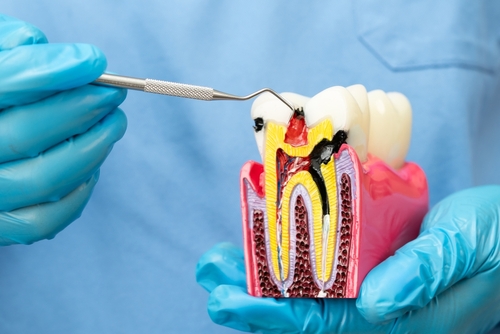
When people hear “root canal treatment,” they are often juggling several ideas at once. The term sounds clinical, the reputation feels intimidating, and the details can blur together. That reaction usually comes from the name, not from a clear picture of what is happening inside the tooth.
Inside every tooth is a soft inner space called the pulp. This area contains nerves and blood vessels and extends down through narrow channels into the root of the tooth. When bacteria reach this inner space, often through a deep cavity or an injury, the pulp can become infected. That infection spreads through these channels, which is why the procedure is called a “root canal.”
Root canal treatment removes the infected pulp from the tooth. By clearing out the infection and sealing the canals, the remaining structure can stay in place and continue to function.
Children sometimes need similar care. When decay reaches the pulp of a primary tooth and the roots remain healthy, Dr. Stingley will perform a pulpotomy, sometimes called a “baby root canal.” This procedure removes the infected portion of the pulp while keeping the rest of the tooth intact until it falls out naturally. Pulpotomies usually take less time, involve less tissue removal, and allow for a smoother recovery when the infection remains limited.
Signs and Symptoms of a Root Canal Infection
Certain signs and symptoms may indicate that a tooth is infected and requires root canal treatment. These changes often develop as bacteria reach the inner portion of the tooth and begin affecting the surrounding tissue.
- Ongoing tooth pain that does not resolve on its own
- Pain that radiates into the jaw or surrounding teeth
- Swelling or tenderness in the gums near the affected tooth
- Sensitivity to hot or cold that lingers after exposure
- Darkening of the tooth, often gray or brown in color
- A visible crack or chip that exposes the inner tooth
- A small, pimple-like bump on the gums near the tooth
Regular dental visits help us track changes in your oral health and address concerns earlier. Routine exams allow us to evaluate your teeth and gums, remove buildup, and intervene before infection progresses.
If you experience any of these symptoms, an exam will help us identify the source of the problem. Dr. Stingley will assess the tooth and surrounding tissues to determine whether root canal treatment is appropriate.
Root Canal vs. Extraction
Before treatment begins, Dr. Stingley examines your teeth and takes X-rays to assess the extent of the infection. That way, she can determine if she can preserve the tooth.
During a root canal, Dr. Stingley numbs the tooth and surrounding area with a local anesthetic. She then creates a small opening in the tooth to reach the infected pulp. After removing the damaged tissue, she cleans and disinfects the inner chamber. Once the canals are prepared, she fills and seals the space to block bacteria from returning. In many cases, she will restore the tooth with a filling. If the tooth needs additional support, she may place a dental crown to protect it over time.
There are situations where a root canal is no longer the right option. If infection has caused extensive damage or weakened the tooth beyond repair, Dr. Stingley may recommend extraction instead. When that happens, a mini dental implant with a permanent crown can replace the missing tooth and restore function. Root canal treatment aims to avoid that outcome by treating infection early, while the tooth still has the structure needed to remain in place.
Are You Experiencing Tooth Pain? Book Your Visit Now!
If tooth pain, sensitivity, or changes in your gums have started to affect your day, an exam can provide clarity. Dr. Stingley will evaluate the tooth, explain what she sees, and walk you through your options, including whether root canal treatment can preserve the tooth or if another approach makes more sense. Contact Carter-Rockbridge General Dentistry to schedule your free screening and address the issue before it progresses.
Frequently Asked Questions
Recovery after a routine root canal is usually smoother than most people expect. Many return to normal activities within a day, even though the tooth continues to heal internally over the next few weeks.
During the first 24 to 48 hours, some soreness or sensitivity is normal and often manageable with over-the-counter pain medication. Most people feel comfortable returning to work or school the next day. By days three through seven, discomfort typically continues to ease, and chewing feels more natural again.
For the first few days, choosing softer foods can make meals more comfortable. If soreness lingers, ice packs can help reduce tenderness as the area settles.
Dental insurance often covers a portion of root canal treatment, but the amount you pay depends on the details of your specific plan. Coverage may differ between the root canal itself and the dental crown that often follows. Many plans also include annual maximums, which can limit the amount of coverage the insurer will pay in a given year.
Because coverage varies, we take the time to review your benefits and explain how they apply to your treatment. Our team can help you understand expected costs, insurance coverage, and available financing options.
Root canal treatment has a strong track record. Studies following treated teeth over several years often report success rates of nearly 90%. In most cases, the tooth continues to function normally without ongoing pain or infection.
When a root canal fails, the reason is usually related to what happens around the tooth over time. Deep cracks, delayed crown placement, or new decay can allow bacteria to re-enter the tooth. Careful treatment and proper restoration help reduce these risks.