

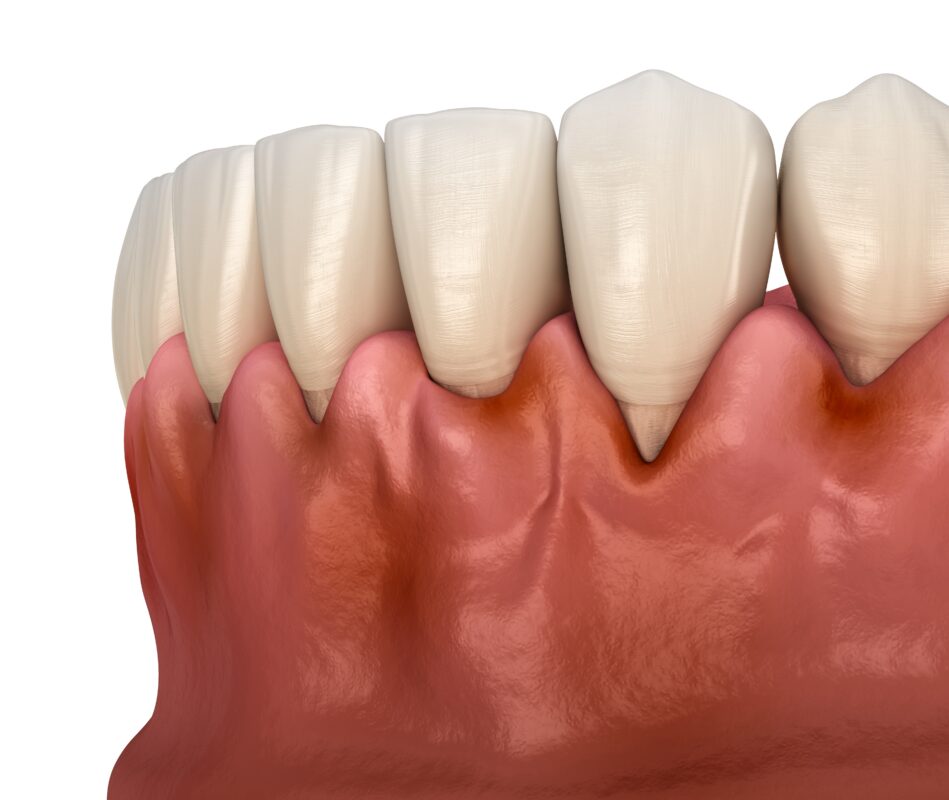
Have you noticed bleeding gums, redness, swelling, tenderness, persistent bad breath, or gums that seem to be pulling away from your teeth? These can be warning signs of gum disease, also known as periodontal disease. Almost half of all adults in America have some form of periodontal disease, which is a kind of infection in the gums. If left untreated, it can damage the bone and tissues that support the teeth and may eventually lead to tooth loss.
Recognizing the signs early gives you an opportunity to protect your oral health before the condition becomes more serious. As a Norcross dentist with over 30 years of experience supporting oral wellness, Dr. Gloria Stingley wants you to know about the warning signs of gum disease to promote prevention and early gum disease treatment.
Stages of Gum Disease
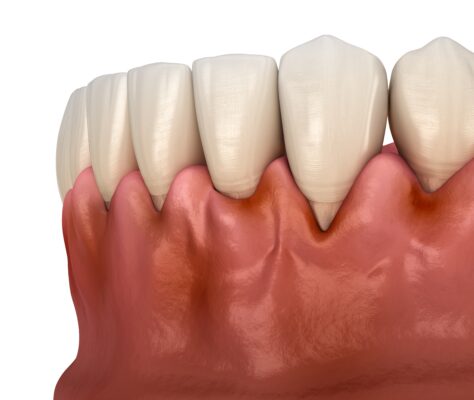 Healthy gums should not be inflamed, irritated, or painful. Gum disease begins when plaque, a sticky film of bacteria, builds up on and around the teeth. Without consistent removal, plaque can harden into tartar and irritate the gums. Periodontitis progresses in stages:
Gingivitis: This is the earliest stage of gum disease. It commonly causes red, swollen, tender, or bleeding gums. It is usually reversible with thorough daily plaque removal and professional dental care when needed.
Periodontitis: When gingivitis is not controlled, it can progress to periodontitis. The gums and supporting bone may pull away from the teeth, creating periodontal pockets where bacteria and debris can accumulate. Depending on the severity of disease, treatment may include scaling and root planing or laser gum disease treatment.
Advanced periodontitis: In severe cases, the fibers and bone that support the teeth can be significantly damaged. This may lead to tooth mobility, shifting teeth, and tooth loss. Treatment may require more extensive periodontal therapy based on the extent of bone and tissue loss.
Learning about the stages of gum disease and what to look out for can help you catch and treat periodontitis early.
Signs of Gum Disease
Knowing what to look for is an important first step. Thankfully, you can often identify and treat gum disease before it causes more serious problems. What are the first signs of gum disease? Early warning signals include:
- Bleeding when brushing, flossing, or eating firm foods
- Red, swollen, tender, or sore gums
- Persistent bad breath or an unpleasant taste in your mouth
- Visible plaque or tartar buildup near the gumline
Early gum disease is often painless, so the absence of pain does not rule it out. Other signs signal more advanced issues.
You should make a dental appointment promptly if you notice:
- Sensitive, loose, or shifting teeth
- Pain when chewing
- Pus between a tooth and gum
- Changes in the way your teeth meet when you bite
- Receding gums or noticeably longer-looking teeth
These can suggest periodontitis, a more serious form of gum disease that can damage the bone and tissues supporting the teeth.
If you recognize any of these symptoms, don’t be discouraged. Early attention can make a meaningful difference, and Dr. Stingley can help determine what is happening and what treatment may be appropriate. With patience, good care, and a commitment to your oral health, you can take steps to preserve your smile.
Preventing and Treating Gum Disease
The key to managing periodontal disease is early detection and treatment. Here are some steps you can take:
Maintain good oral hygiene: Brush twice a day with fluoride toothpaste; floss daily.
Regular dental visits: Cleanings by one of our experienced dental professionals are crucial to removing tartar that you can’t clean at home.
Quit smoking: Smoking is a significant risk factor for periodontal disease.
Eat a balanced diet: A balanced, nutrient-rich diet supports healthy gums.
For more advanced stages of gum disease, Dr. Stingley might recommend treatment with the Waterlase® dental laser to set you on the right track for optimal oral health.
Learn More at a Free Screening
Periodontal disease doesn’t just affect your gums; it can impact your overall oral health. Looking out for the signs of gum disease can improve treatment outcomes. If you’re experiencing any symptoms of periodontal disease or are due for a checkup, don’t wait for symptoms to worsen. A proactive approach to oral health can make all the difference. And even if you do have more advanced periodontitis, Dr. Stingley can treat it with the Waterlase® dental laser.
Dr. Stingley is passionate about how periodontics can support your overall oral health. She provides free screenings for patients who move forward with treatment. Learn more about gum disease treatment at a free screening.